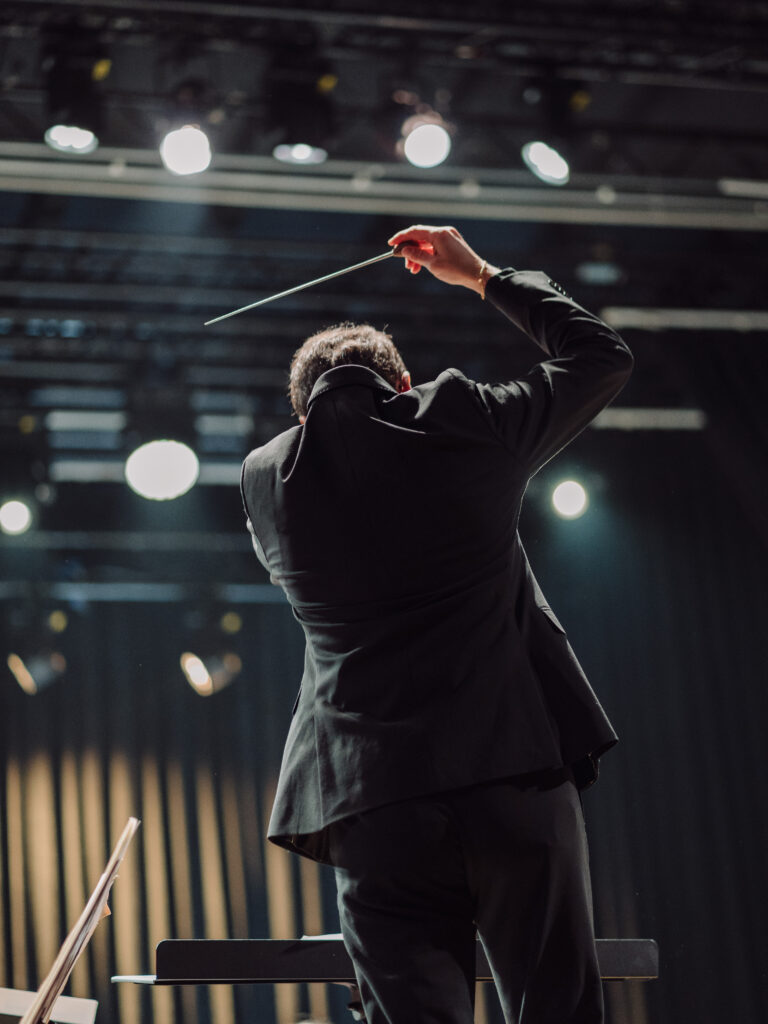
We believe that authenticity is not about repeating the past, but engaging with it — questioning habits, challenging conventions, and creating performances that are alive, unpredictable, and human.
We perform nineteenth-century repertoire on historical instruments, exploring the extraordinary range of colors, contrasts and expressive possibilities that belonged to its original sound world.
For us, Romantic does not mean romanticized.
Romantic music is more than sweetness, continuous vibrato and beautiful expression. It can be intimate and monumental, elegant and rough, tender and violent. Behind the familiar idea of the Romantic lies a world of freedom, individuality, experimentation and extreme contrasts.
That is the world we want to explore.
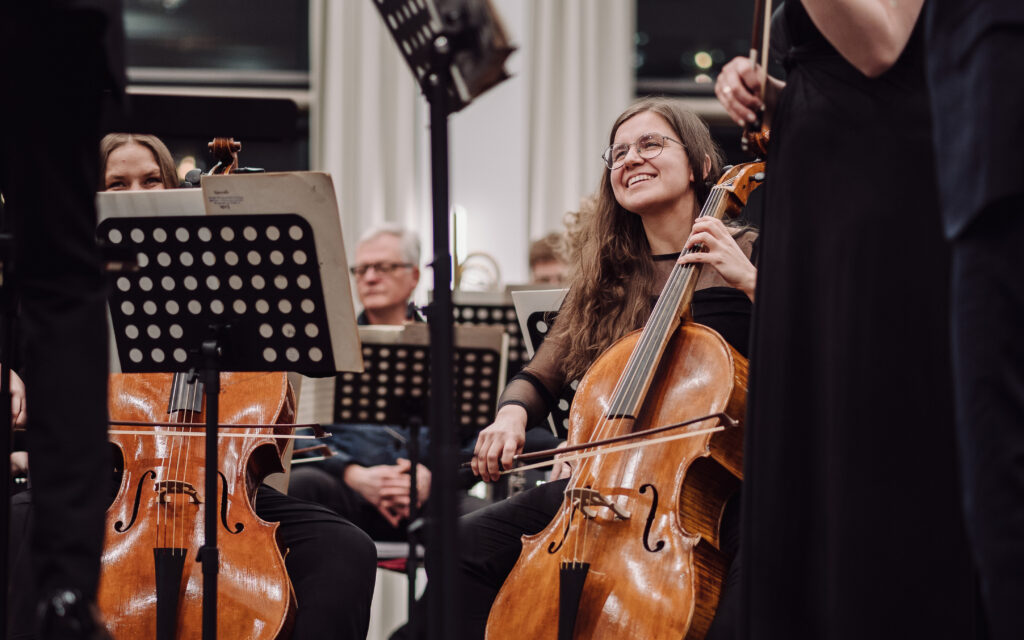
Rethinking the Romantic
Our starting point is historically informed performance — not as a set of rules, but as a way of asking questions.
How did musicians understand a score? What did tempo, articulation, phrasing, vibrato and portamento mean to them? How much freedom did performers take for granted? And how have the traditions that developed since then changed the way we hear this music today?
Our roots in Baroque and Classical performance taught us to approach music as a language — shaped by rhetoric, gesture, articulation and contrast. We bring that same curiosity into the nineteenth century.
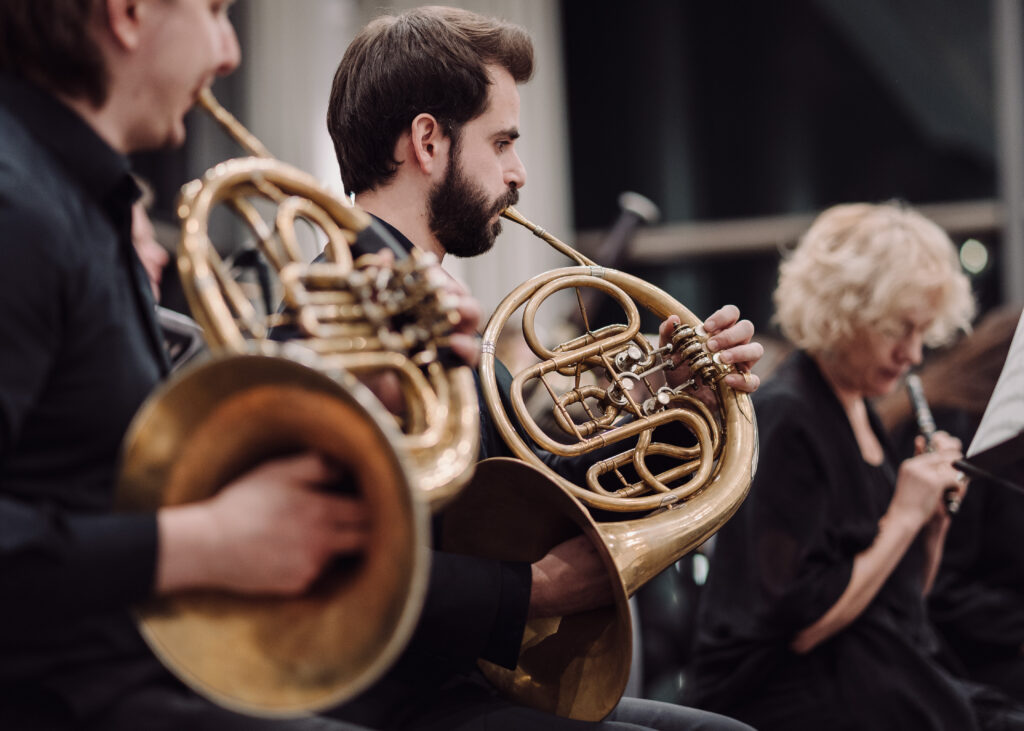
Historical instruments are part of this exploration. Their colors, balance and physical characteristics change the relationships within the orchestra and invite different ways of phrasing, articulating and shaping sound.
But the instruments alone are not the answer.
Historically informed performance, for us, is not about reconstructing a single “correct” version of the past. It is about rediscovering possibilities — some familiar, others surprising — and allowing them to challenge the way we perform and listen today.
The result does not always have to be more beautiful.
It can be more fragile. More extreme. More intimate. More raw.
And that is precisely what fascinates us.
Beyondthecanon
Rediscovery is not only about how we play nineteenth-century music. It is also about what we play.
The repertoire we know today represents only a fraction of the music that once filled Europe’s concert halls, theatres and salons. Some works entered the canon and were performed generation after generation. Others gradually disappeared — absent from concert programmes for decades, sometimes for more than a century.
We want to look beyond the familiar names and bring these voices back into the conversation.
This is especially important to us in Poland, where a remarkable nineteenth-century musical heritage remains largely unexplored. Rediscovering this repertoire does not mean claiming that every forgotten work is a forgotten masterpiece. It means giving exceptional music another opportunity to be heard — and allowing musicians and audiences to encounter it with fresh ears.
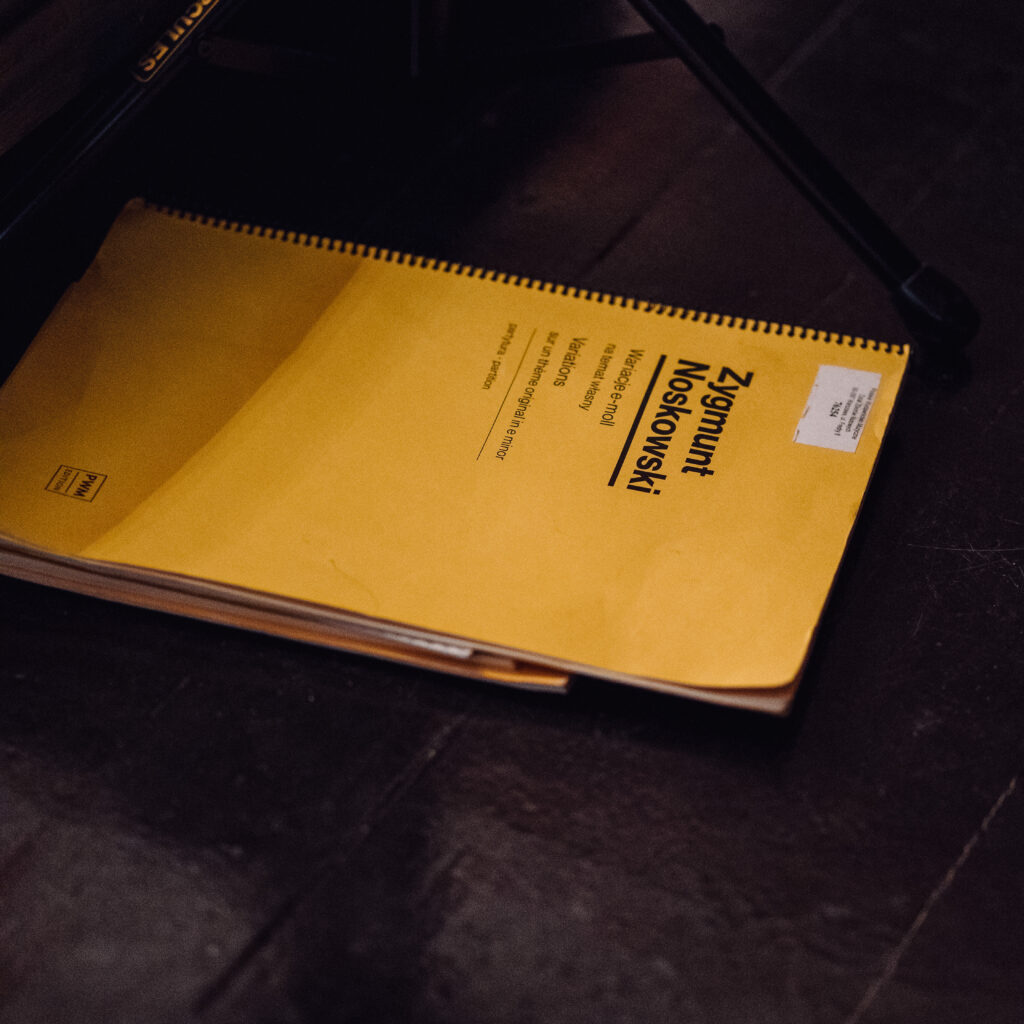
For us, these two forms of rediscovery belong together:
questioning not only how tradition taught us to play, but also what tradition taught us to play.
To hear familiar music differently.
To give forgotten music a voice.
And to make the nineteenth century unpredictable again.